
How Asphalt Recycling Supports Better Roads

By 0
97
How Asphalt Recycling Supports Better Roads

A worn road, driveway or car park does not always need to be dug out and replaced from the ground up. In many cases, asphalt recycling allows sound material already on site to be reused as part of a new, dependable surface. That can mean fewer lorries removing waste, less demand for virgin aggregate and a more economical route to a properly specified repair.

The key word is properly. Recycling asphalt is not simply a matter of crushing old blacktop and spreading it back down. The existing layers must be assessed, the recycled material must be suitable for its intended use, and the finished surface still needs the right preparation, drainage, compaction and thickness. Done well, it is a practical solution. Done without care, it can leave the same problems hidden beneath a fresh-looking surface.

What asphalt recycling involves

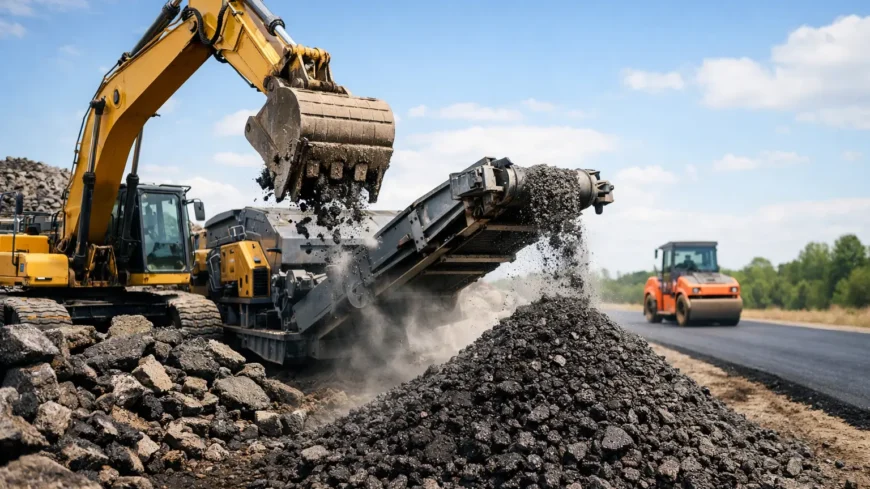
Asphalt contains aggregate, bitumen binder and filler. When an existing surface is planed off or excavated, the resulting material is commonly known as reclaimed asphalt pavement, or RAP. Instead of being treated solely as waste, it can be processed and incorporated into new asphalt mixes or reused in suitable base layers.

The best approach depends on the condition of the existing surface and what the area needs to carry. A lightly used private driveway has different requirements from a busy commercial forecourt, access road or public car park where regular delivery vehicles apply turning and braking forces in the same places every day.

Recycling may happen at an asphalt plant, where reclaimed material is processed and blended into a fresh hot mix, or on site through specialist methods. In every case, a contractor should first establish whether the old asphalt is a useful resource or whether deeper structural failure means more extensive reconstruction is the sensible option.

When recycled asphalt is a good fit

Recycled asphalt can be an excellent choice where the existing surface is tired at the top but its underlying construction remains stable. For example, a car park with surface cracking and local wear may be suitable for planing, targeted base repairs and a new asphalt layer containing recycled content.

It can also suit access roads, farm tracks, compounds and some hardstanding areas where a recycled aggregate layer is appropriate beneath the final surface. Using recovered material in the foundation can reduce the volume of new stone required while still creating a strong, well-compacted base.

For homeowners, the benefit is often less about the recycling process itself and more about the result: a driveway rebuilt with sensible use of materials, proper levels and a surface designed to cope with everyday Scottish weather. Water management matters just as much as the choice of material. If rain is allowed to sit against a garage threshold, at a low point or along an edge with poor support, even high-quality asphalt will deteriorate sooner than it should.

The condition beneath the surface decides the job

Alligator-style cracking, sinking wheel tracks, standing water and repeated potholes can point to failure in the base rather than a simple surface problem. Overlaying these defects may be cheaper on day one, but it is rarely good value if movement below causes the new layer to crack in the next few seasons.

A responsible survey looks at drainage, ground conditions, layer thickness, edge restraint and expected traffic. Localised weak areas can often be excavated and rebuilt before resurfacing. Where the whole foundation has failed, recycling may still play a role, but the project must allow for full-depth reconstruction rather than a cosmetic overlay.

The practical benefits of asphalt recycling

The most obvious advantage is reducing waste. Reusing recovered asphalt keeps useful aggregate in circulation instead of sending it away for disposal. It can also reduce lorry movements associated with importing every tonne of new material and removing every tonne of old material.

Cost can be another benefit, particularly on larger areas. Savings depend on material availability, transport distances, the chosen specification and the amount of preparation required. It would be wrong to promise that recycled material is always the cheapest answer. On a small driveway, mobilisation, excavation and drainage works may have far more effect on the quote than the recycled content of the asphalt.

There is also a quality benefit when the work is correctly planned. Reclaimed aggregate has already been used successfully in an asphalt pavement, and it can perform well when processed and mixed to the right standard. The aim is not to compromise the finished job. It is to use sound resources intelligently while retaining the strength, finish and durability the site demands.

Asphalt recycling is not suitable for every surface

There are times when virgin materials or a higher-specification asphalt mix are the better choice. Entrances with heavy turning traffic, loading bays, bus routes and areas exposed to fuel spills may need a particular surfacing design. The same applies where the client needs a smooth decorative finish, a specified anti-skid surface or a pavement designed for high volumes of heavy vehicles.

Contamination is another consideration. Material containing soil, rubbish, excess moisture or unsuitable substances cannot simply be reused without proper processing and checks. Old surfaces may also contain different materials in different areas following years of patch repairs. A professional contractor separates and manages material accordingly rather than assuming every load is identical.

Weather and programme pressures matter too. Asphalt work requires the right conditions for laying and compaction. A rushed repair in poor weather is not made better because recycled material is involved. Good preparation, experienced operatives and properly maintained plant remain essential.

A reliable recycling-led resurfacing process

The strongest resurfacing projects start with a site inspection and an honest recommendation. Measurements are taken, defects are identified and the intended use of the area is discussed. This is the point to raise practical issues such as delivery access, operating hours, pedestrian routes, drainage falls and how long the surface needs to remain open during the works.

Where recycling is appropriate, the old surface may be planed or excavated in a controlled way. Suitable material is retained for processing or sent to an approved facility, while unsuitable material is removed through the correct waste route. The exposed base is then inspected, with soft spots, failed edges and drainage defects addressed before new layers are installed.

A well-built pavement works from the bottom upwards. The sub-base must be stable and compacted. Binder and surface courses must be selected for the load and level requirements. Joints need care, particularly around ironwork, kerbs, channels and thresholds, because these are common points of water ingress and early failure.

For commercial sites, phasing can often keep part of a car park or access route operational while work progresses elsewhere. Clear traffic management and white lining plans should be agreed before the final surface goes down. Minimising disruption is valuable, but it should never mean cutting corners on curing time, safe access or the preparation beneath the asphalt.

Questions to ask before approving the work

Before choosing any resurfacing proposal, ask what will happen to the existing asphalt, whether the base has been inspected, and which layers are being repaired or replaced. You should also ask how water will drain once the levels are finished and what surface is recommended for the traffic using the area.

For a commercial or public-access site, confirm how vehicles and pedestrians will be managed during the works, whether line marking is included, and what guarantee covers the completed surfacing. A clear written scope protects everyone. It avoids comparisons based only on a headline price where one quote includes excavation, proper edge support and drainage corrections while another only covers a thin overlay.

Making recycled materials work for the long term

Asphalt recycling is most valuable when it is part of a wider plan for a surface that lasts. Routine inspections, prompt pothole repairs, clean drainage channels and early crack treatment all help protect the investment. Small defects are easier and less costly to resolve before water reaches the lower layers.

For properties and sites across Scotland, the right answer is rarely a one-size-fits-all product. It is a surface designed around the ground, drainage, use and budget, with recycled material used where it genuinely improves the outcome. Roadsafe Surfacing Ltd takes that practical approach: assess the site first, specify the work honestly, and build a surface that is ready for the traffic and weather ahead.

Leave a reply

Your email address will not be published. Required fields are marked *

Your Name:*

Your Website

Your Comment

How Asphalt Recycling Supports Better Roads

By 0
0
How Asphalt Recycling Supports Better Roads

A worn road, driveway or car park does not always need to be dug out and replaced from the ground up. In many cases, asphalt recycling allows sound material already on site to be reused as part of a new, dependable surface. That can mean fewer lorries removing waste, less demand for virgin aggregate and a more economical route to a properly specified repair.

The key word is properly. Recycling asphalt is not simply a matter of crushing old blacktop and spreading it back down. The existing layers must be assessed, the recycled material must be suitable for its intended use, and the finished surface still needs the right preparation, drainage, compaction and thickness. Done well, it is a practical solution. Done without care, it can leave the same problems hidden beneath a fresh-looking surface.

What asphalt recycling involves

Asphalt contains aggregate, bitumen binder and filler. When an existing surface is planed off or excavated, the resulting material is commonly known as reclaimed asphalt pavement, or RAP. Instead of being treated solely as waste, it can be processed and incorporated into new asphalt mixes or reused in suitable base layers.

The best approach depends on the condition of the existing surface and what the area needs to carry. A lightly used private driveway has different requirements from a busy commercial forecourt, access road or public car park where regular delivery vehicles apply turning and braking forces in the same places every day.

Recycling may happen at an asphalt plant, where reclaimed material is processed and blended into a fresh hot mix, or on site through specialist methods. In every case, a contractor should first establish whether the old asphalt is a useful resource or whether deeper structural failure means more extensive reconstruction is the sensible option.

When recycled asphalt is a good fit

Recycled asphalt can be an excellent choice where the existing surface is tired at the top but its underlying construction remains stable. For example, a car park with surface cracking and local wear may be suitable for planing, targeted base repairs and a new asphalt layer containing recycled content.

It can also suit access roads, farm tracks, compounds and some hardstanding areas where a recycled aggregate layer is appropriate beneath the final surface. Using recovered material in the foundation can reduce the volume of new stone required while still creating a strong, well-compacted base.

For homeowners, the benefit is often less about the recycling process itself and more about the result: a driveway rebuilt with sensible use of materials, proper levels and a surface designed to cope with everyday Scottish weather. Water management matters just as much as the choice of material. If rain is allowed to sit against a garage threshold, at a low point or along an edge with poor support, even high-quality asphalt will deteriorate sooner than it should.

The condition beneath the surface decides the job

Alligator-style cracking, sinking wheel tracks, standing water and repeated potholes can point to failure in the base rather than a simple surface problem. Overlaying these defects may be cheaper on day one, but it is rarely good value if movement below causes the new layer to crack in the next few seasons.

A responsible survey looks at drainage, ground conditions, layer thickness, edge restraint and expected traffic. Localised weak areas can often be excavated and rebuilt before resurfacing. Where the whole foundation has failed, recycling may still play a role, but the project must allow for full-depth reconstruction rather than a cosmetic overlay.

The practical benefits of asphalt recycling

The most obvious advantage is reducing waste. Reusing recovered asphalt keeps useful aggregate in circulation instead of sending it away for disposal. It can also reduce lorry movements associated with importing every tonne of new material and removing every tonne of old material.

Cost can be another benefit, particularly on larger areas. Savings depend on material availability, transport distances, the chosen specification and the amount of preparation required. It would be wrong to promise that recycled material is always the cheapest answer. On a small driveway, mobilisation, excavation and drainage works may have far more effect on the quote than the recycled content of the asphalt.

There is also a quality benefit when the work is correctly planned. Reclaimed aggregate has already been used successfully in an asphalt pavement, and it can perform well when processed and mixed to the right standard. The aim is not to compromise the finished job. It is to use sound resources intelligently while retaining the strength, finish and durability the site demands.

Asphalt recycling is not suitable for every surface

There are times when virgin materials or a higher-specification asphalt mix are the better choice. Entrances with heavy turning traffic, loading bays, bus routes and areas exposed to fuel spills may need a particular surfacing design. The same applies where the client needs a smooth decorative finish, a specified anti-skid surface or a pavement designed for high volumes of heavy vehicles.

Contamination is another consideration. Material containing soil, rubbish, excess moisture or unsuitable substances cannot simply be reused without proper processing and checks. Old surfaces may also contain different materials in different areas following years of patch repairs. A professional contractor separates and manages material accordingly rather than assuming every load is identical.

Weather and programme pressures matter too. Asphalt work requires the right conditions for laying and compaction. A rushed repair in poor weather is not made better because recycled material is involved. Good preparation, experienced operatives and properly maintained plant remain essential.

A reliable recycling-led resurfacing process

The strongest resurfacing projects start with a site inspection and an honest recommendation. Measurements are taken, defects are identified and the intended use of the area is discussed. This is the point to raise practical issues such as delivery access, operating hours, pedestrian routes, drainage falls and how long the surface needs to remain open during the works.

Where recycling is appropriate, the old surface may be planed or excavated in a controlled way. Suitable material is retained for processing or sent to an approved facility, while unsuitable material is removed through the correct waste route. The exposed base is then inspected, with soft spots, failed edges and drainage defects addressed before new layers are installed.

A well-built pavement works from the bottom upwards. The sub-base must be stable and compacted. Binder and surface courses must be selected for the load and level requirements. Joints need care, particularly around ironwork, kerbs, channels and thresholds, because these are common points of water ingress and early failure.

For commercial sites, phasing can often keep part of a car park or access route operational while work progresses elsewhere. Clear traffic management and white lining plans should be agreed before the final surface goes down. Minimising disruption is valuable, but it should never mean cutting corners on curing time, safe access or the preparation beneath the asphalt.

Questions to ask before approving the work

Before choosing any resurfacing proposal, ask what will happen to the existing asphalt, whether the base has been inspected, and which layers are being repaired or replaced. You should also ask how water will drain once the levels are finished and what surface is recommended for the traffic using the area.

For a commercial or public-access site, confirm how vehicles and pedestrians will be managed during the works, whether line marking is included, and what guarantee covers the completed surfacing. A clear written scope protects everyone. It avoids comparisons based only on a headline price where one quote includes excavation, proper edge support and drainage corrections while another only covers a thin overlay.

Making recycled materials work for the long term

Asphalt recycling is most valuable when it is part of a wider plan for a surface that lasts. Routine inspections, prompt pothole repairs, clean drainage channels and early crack treatment all help protect the investment. Small defects are easier and less costly to resolve before water reaches the lower layers.

For properties and sites across Scotland, the right answer is rarely a one-size-fits-all product. It is a surface designed around the ground, drainage, use and budget, with recycled material used where it genuinely improves the outcome. Roadsafe Surfacing Ltd takes that practical approach: assess the site first, specify the work honestly, and build a surface that is ready for the traffic and weather ahead.

Leave a reply

Your email address will not be published. Required fields are marked *

Your Name:*

Your Website

Your Comment